
Rising Seas and the Impact on our Coast
In the last decade, sea levels have risen 1.5 inches, and 6 inches in the last 100 years. By 2050, with present human behavior and trends, sea level is expected to rise 19 inches.
Rising sea levels can be caused by many things, including the collapse of glaciers. In Antarctica, the Thwaites Glacier (aka the “Doomsday Glacier”), and specifically the connected Thwaites Ice Shelf that braces the eastern side of the glacier, is predicted to collapse and “…shatter like a car windshield within five years” and accelerate the melting of the rest of the glacier.
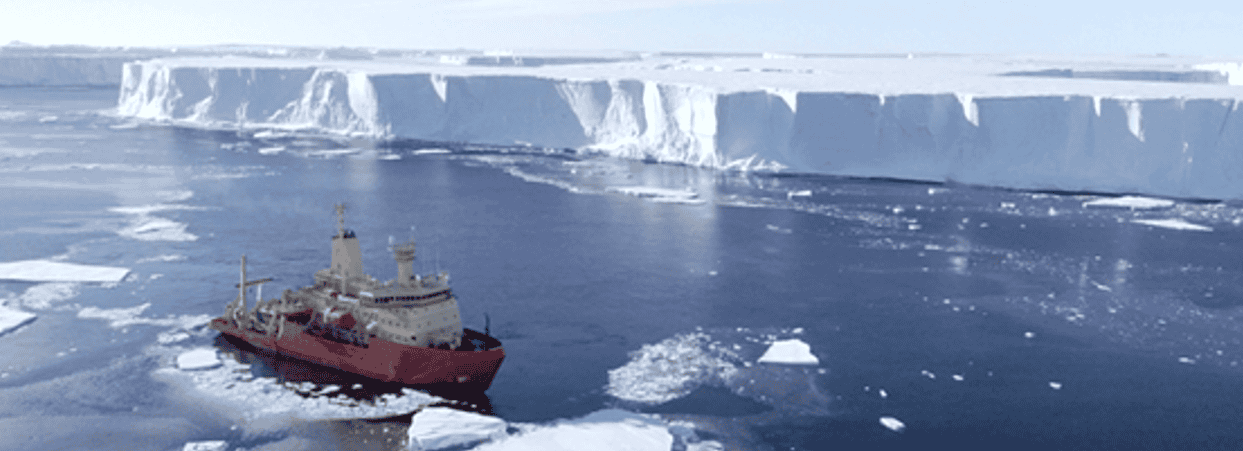
Glaciers are important because they help reflect the sun’s rays back to space, helping to cool the earth. The glacier’s collapse would likely raise sea levels by up to two feet and expose many other glaciers to faster melting.
What does this mean for us?
Among other things, more coastal flooding (exacerbated by more powerful storms), means more:
- Property damage
- Coastal erosion, including damaged infrastructure like roads and bridges
- Economic impacts
- Increased insurance rates
To help you visualize how sea level rise (and storm surges from hurricanes) would impact Rockport and the nearby coast, check out this video from the Cape Ann Climate Coalition (CACC) about the Sea Level Rise Mural on the Old Paint Factory Building in Gloucester Harbor.
Also, explore this sea rise/storm surge/flood zone Story Map from the MA Office of Coastal Zone Management. Zooming in will explicitly show the coastal locations at highest risk. How would it affect Rockport if Bearskin Neck was under water?
This all makes the need for a comprehensive resiliency plan for Rockport to actively mitigate impacts on our town all the more important. Your Climate Action Group is working with CACC to help make that happen. Come help!