

Plastics, the Climate, and You
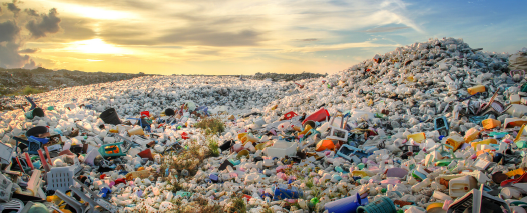
Plastics are everywhere. They are in our phones, clothes, bottles, and cars. Yet having improved our lives considerably, they now threaten our environment and our health. The associated carbon emissions and persistence of plastics challenge the fragile balance of many ecosystems.
Below is a list of quick facts about plastics’ impact on our environment and health, and some suggestions for how individuals can help address the problem.
- Oil, gas, and coal are the fossil-fuel building blocks of plastics.
- 12.5 to 13.5 million metric tons of carbon dioxide equivalent are emitted per year while extracting and transporting fossil fuels for plastics in the United States.
- Emissions from manufacturing a common building block for plastics were 184.3 to 213 million metric tons of carbon dioxide equivalent, which is about as much as 45 million passenger vehicles emit during one year
- 40% of plastics are used as packaging
- Waste incineration has the largest climate impact of processing waste from packaging, over landfill and recycling
- 2% of plastics are recycled into products with the same function; another 8% are “downcycled” to something of lower quality; the rest is landfilled, leaked into the environment, or incinerated
- Plastics can break down into smaller pieces called microplastics, which scatter across the globe even to the depths of the ocean, and can cause serious harm to living beings
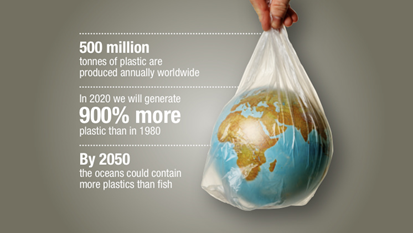
Addressing plastic’s harm to the climate requires comprehensive reduction: making, using, and throwing away less plastic. A few suggestions:
- Avoid plastic storage containers and products packaged in plastic in favor of glass or metal instead
- Avoid single-use plastics such as drinking straws
- If you go shopping, remember to take a cloth bag
- Recycle chewing gum… it’s also made of plastic! Or use natural and organic chewing gum
- Buy more bulk food and fewer packaged products
- Avoid using cosmetics that use micro-plastics
- Reuse and recycle properly
Sources used: Iberdrola, “How to Reduce Plastic Use”; Center for International Environmental Law, “The Hidden Costs of a Plastic Planet: Climate”; Yale Climate Connections, “How Plastics Contribute to Climate Change”