

Understanding Different Types of Electric Automobiles
There are basically three different kinds of electric vehicles: hybrid electric vehicles, plug-in hybrid electric vehicles and battery electric vehicles. All three varieties of electric vehicles use electricity for propulsion, but there are differences in how they operate and their respective powertrains and electric range. Below we will be reviewing the different benefits of electric vehicles and how each compare to one another.
Hybrid Electric Vehicles (HEVs)\
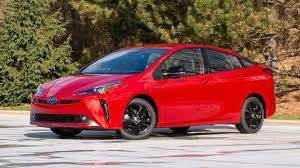
Hybrid electric vehicles are typically referred to as “hybrids,” and although the technology has been around for decades, the cars didn’t really have material market penetration until 1997 when Toyota introduced the Prius.
Hybrid electric vehicles combine a conventional internal combustion engine with an electric propulsion system. The internal combustion engine does most of the work, while the electric motor assists the engine, with its main purpose being to increase the fuel economy.
Hybrids do not have the ability to plug in and recharge from the grid, so they use their internal combustion engines and regenerative braking systems to recharge their propulsion vehicle batteries. Most hybrids do not have the ability to propel the car on battery power alone, and must have the combustion engine running whenever the vehicle is moving. However, there are a few hybrids that can propel the vehicle for a few feet at low speeds, before the combustion engine needs to turn on and assist.
Hybrid electric vehicles have better fuel economy and a lower total cost of ownership when compared to similar conventional cars, however they usually also cost more to purchase initially.
Plug-in Hybrid Electric Vehicles (PHEVs)
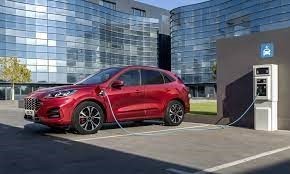
The biggest difference between a regular hybrid vehicle and a plug-in hybrid electric vehicle is that the plug-ins have larger batteries and can be plugged in to charge the batteries. They also typically have larger electric motors, because PHEVs are responsible for more work.
Plug-in hybrids can be an excellent choice for consumers who need or want additional range. For those that need to drive very long distances on a frequent basis, a plug-in hybrid offers the flexibility of being able to quickly fill up with gasoline where charging stations may not be available. Plug-in hybrids allow their owners to drive entirely on electricity on the days when they don’t exceed the vehicle’s all-electric range, yet have the combustion engine there when they need it.
While owners will want to keep their plug-in hybrids charged as often as possible to enjoy the savings that driving on electricity provides, they aren’t required to charge the battery in order to use the vehicle. Plug-in hybrids will act like a conventional hybrid electric vehicle if they aren’t charged up from a wall outlet. Therefore, if for some reason the owner forgets to plug the vehicle in one day or drives to a destination that doesn’t have access to an electricity supply, it’s not an issue. Generally, fuel costs are higher when using the gas-powered combustion engine versus electric power.
Battery Electric Vehicles (BEVs)
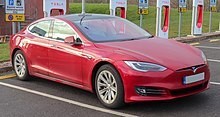
Battery electric vehicles, or BEVs, are often just called electric vehicles. Unlike HEVs and PHEVs, BEVs are powered entirely by batteries, with a full-electric drivetrain.
In fact, that’s one of the advantages of battery electric vehicles, their simplicity. There are so few moving parts in a battery electric vehicle that very little maintenance is required. There’s no oil changes or tune-ups needed, and the savings from not having these maintenance expenses can add up to significant savings over the lifetime of the vehicle.
Since battery electric vehicles rely solely on the amount of stored electricity in their batteries, it’s even more important to be able to recharge them quickly, than it is for plug-in hybrid models. Therefore it’s important to choose a home charging solution that can fully recharge your BEV as quickly as possible, so you can enjoy the vehicle to its fullest.
Most battery electric vehicles come standard with a 120 volt level 1 charger, which can take very long to recharge the vehicle. That’s because battery electric vehicles have much larger batteries than HEVs or PHEVs do.